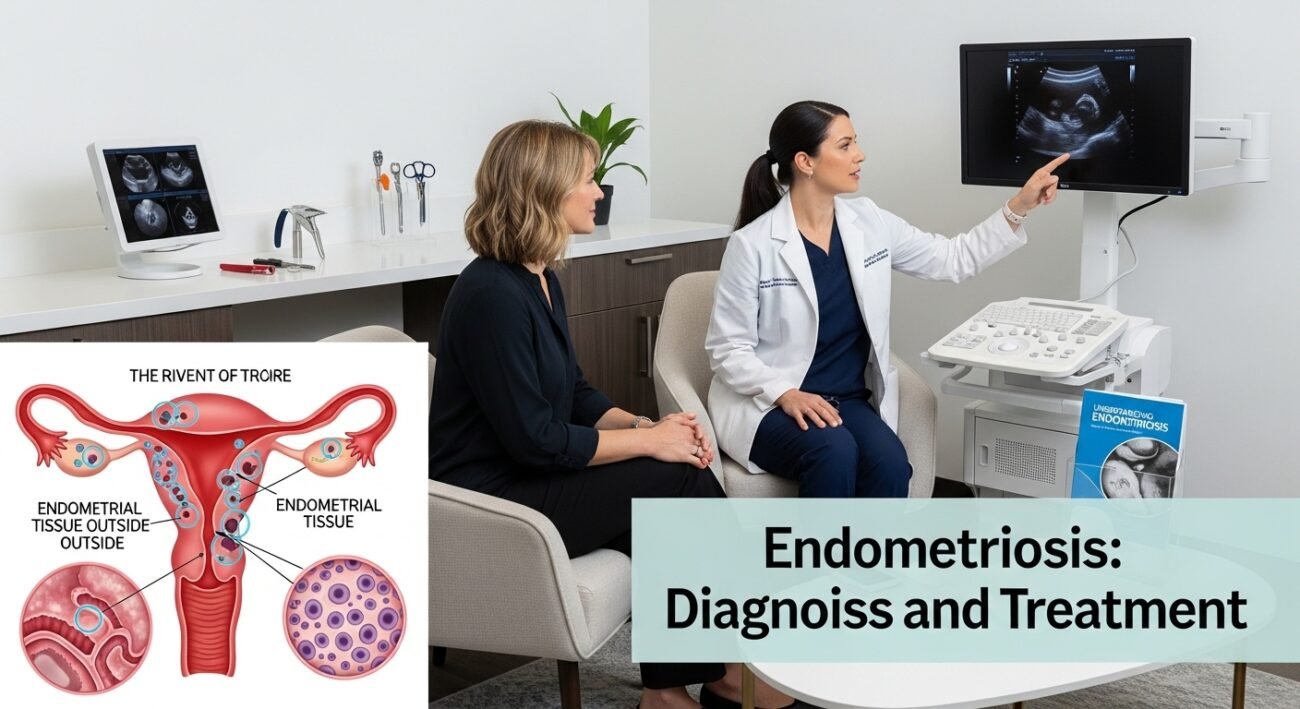
Endometriosis — a condition where tissue similar to the uterine lining grows outside the uterus, most commonly on the ovaries, fallopian tubes, and pelvic lining — affects approximately 10% of women of reproductive age and is a leading cause of chronic pelvic pain and infertility. Despite its prevalence and impact, the average time from symptom onset to diagnosis remains 7–10 years — a reflection of diagnostic challenges, symptom normalization, and inadequate awareness. Gynecology clinics provide the evaluation and management that addresses this significant condition. This guide explains endometriosis care.
Symptoms
Classic endometriosis symptoms include dysmenorrhea (painful periods that interfere with normal activities), deep dyspareunia (pain with deep penetration during sex), chronic pelvic pain, heavy menstrual bleeding, and infertility. Bowel symptoms (pain with bowel movements, bloating), bladder symptoms (pain with urination), and fatigue also commonly occur. Symptom severity does not reliably correlate with disease extent — some women with extensive endometriosis have few symptoms; others with minimal disease have severe pain.
Diagnosis
While endometriosis is definitively diagnosed by laparoscopic visualization and biopsy, clinical diagnosis based on characteristic symptoms and examination findings is increasingly accepted as a basis for treatment. Transvaginal ultrasound identifies ovarian endometriomas (endometriosis cysts) and deep infiltrating disease. MRI provides additional information for complex disease. A trial of hormonal therapy based on clinical suspicion is a reasonable diagnostic-therapeutic approach that avoids unnecessary surgical diagnosis in many patients.
Treatment
Hormonal suppression — combined oral contraceptives, progestin-only therapy, GnRH agonists (leuprolide), and GnRH antagonists (elagolix) — suppresses endometrial tissue growth and reduces symptoms. NSAIDs manage pain during hormonal treatment. Surgical treatment (laparoscopic excision or ablation of endometriosis implants) provides symptomatic relief and improves fertility outcomes. For women with endometriosis-associated infertility, fertility treatment (IVF) is highly effective. Hysterectomy with oophorectomy is reserved for severe disease in women who have completed their families.
Conclusion
Endometriosis is not “just bad periods” — it is a real disease causing significant pain, impaired fertility, and reduced quality of life that deserves diagnosis and effective treatment. If you experience severe menstrual pain, chronic pelvic pain, or difficulty conceiving, discuss endometriosis evaluation with your gynecologist. Effective treatment significantly improves quality of life for most patients.
FAQs – Endometriosis
Q1. Does endometriosis cause infertility?
A: Endometriosis is associated with infertility in approximately 30–50% of affected women through mechanisms including distorted pelvic anatomy, adhesion formation, inflammatory effects on egg and sperm quality, and impaired implantation. Both medical and surgical treatment improve fertility outcomes; IVF is highly effective for endometriosis-associated infertility.
Q2. Does having endometriosis mean I will need a hysterectomy?
A: No. Most women with endometriosis are effectively managed with hormonal therapy and/or less extensive surgery. Hysterectomy is considered only for women with severe, refractory disease who have completed their families. Even hysterectomy without removal of the ovaries does not reliably cure endometriosis.
Q3. Can endometriosis resolve after menopause?
A: Most endometriosis becomes inactive after menopause as estrogen production declines. However, symptoms can persist in some women, and hormone replacement therapy can reactivate dormant endometriosis. Women with history of endometriosis on MHT may require close monitoring.
Q4. Is painful periods a sign of endometriosis?
A: Many women with endometriosis have severe dysmenorrhea, but not all painful periods indicate endometriosis. Primary dysmenorrhea (painful periods without underlying pathology) is the most common cause of period pain. Pain severe enough to miss school or work, requiring prescription medications, or associated with other symptoms warrants gynecological evaluation to assess for endometriosis.
Q5. Can diet affect endometriosis?
A: Some evidence suggests anti-inflammatory dietary patterns (rich in omega-3 fatty acids, vegetables, fruits, whole grains) may reduce endometriosis pain, possibly by modulating prostaglandin and inflammatory pathways. Red meat and processed foods are associated with higher endometriosis risk in epidemiological studies. Dietary modification is a reasonable adjunct to medical treatment, not a replacement for it.
